
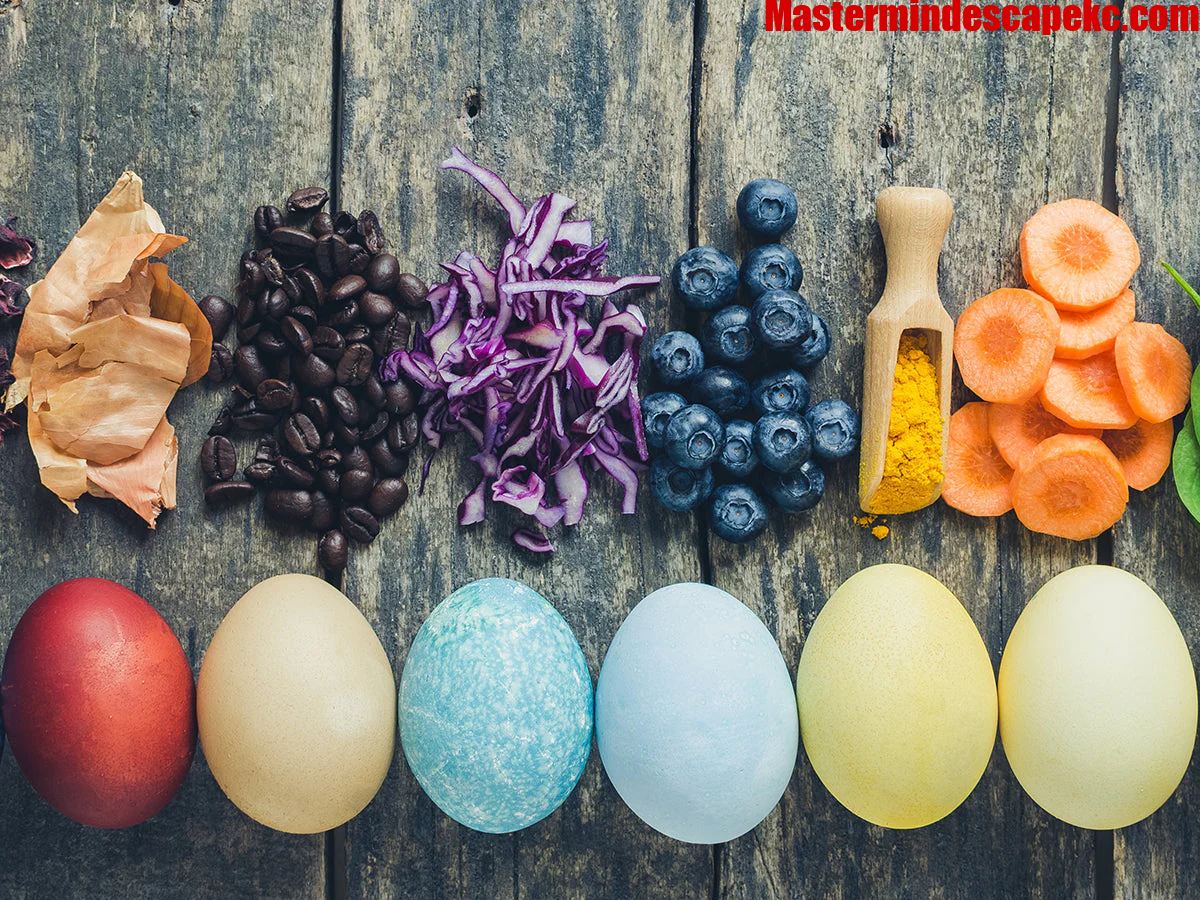
Color is often the first signal of freshness and flavor in food. A bright yellow drink feels citrusy. A golden snack suggests crispness. A rich yellow sauce hints at warmth and comfort.
But today, the focus has shifted beyond appearance. Consumers are paying closer attention to how that color is created—driving the demand for natural food colors across the industry.
Within this space, natural yellow food colors play a foundational role. They are among the most widely used, relatively stable, and versatile natural color solutions available.
Why Natural Food Colors Are Becoming the Standard
The shift toward natural ingredients is no longer limited to premium or niche products—it’s becoming mainstream.
Consumers today:
- Look for recognizable, plant-based ingredients
- Prefer clean-label formulations
- Avoid artificial additives where possible
For food brands, this means rethinking formulations. But replacing synthetic colors isn’t always simple. Natural pigments behave differently and often require a more thoughtful approach.
This is where certain colors—like yellow—offer a practical advantage.
Why Yellow Matters So Much in Food
Yellow is one of the most versatile colors in the food industry.
It is associat with:
- Freshness and citrus flavors
- Warmth and richness
- Familiar everyday foods like butter, cheese, and snacks
It also acts as a base color, often used to create other shades like orange or green when blended with additional pigments.
Because of this, natural yellow food colors are used across a wide range of products.
Common Sources of Natural Yellow Food Colors
One of the reasons yellow is easier to work with is the availability of multiple natural sources.
1. Turmeric
Derived from the root of the turmeric plant, it is one of the most widely used natural yellow colors.
Benefits:
- Strong, vibrant yellow shade
- Good stability in many applications
Consideration:
- Can impart a slight flavor if not used carefully
2. Curcumin
The active pigment in turmeric, often used in a more refined form.
Benefits:
- More controlled color intensity
- Better suitability for processed foods
3. Annatto (Yellow Shades)
While known for orange tones, annatto can also produce yellow hues.
Benefits:
- Good stability
- Widely used in dairy products
4. Safflower and Other Plant Extracts
Used for lighter yellow tones in specific applications.
Each source offers different properties, allowing manufacturers to choose based on the product’s needs.
Why Natural Yellow Colors Are Easier to Work With
Compared to colors like blue or green, natural yellow pigments are generally more stable.
They tend to:
- Withstand heat better
- Perform well across a wider pH range
- Maintain color during storage
This makes them suitable for a broad range of applications, including:
- Beverages
- Snacks
- Dairy products
- Bakery items
- Ready-to-eat meals
However, “easier” doesn’t mean effortless—formulation still matters.
The Challenges Behind Natural Yellow Food Colors
Even with their advantages, natural yellow colors come with a few considerations.
1. Light Sensitivity
Some yellow pigments can fade when exposed to prolonged light.
2. Flavor Interaction
Ingredients like turmeric may influence taste if not balanced properly.
3. Shade Consistency
Natural variations in raw materials can lead to slight differences in color intensity.
4. Regulatory and Labeling Factors
Different markets may have specific requirements for how natural colors are declared.
These factors make it important to choose the right type of yellow color for each application.
The Role of Manufacturers in Natural Color Solutions
Natural food colors are not just ingredients—they are tailored solutions.
Manufacturers play a key role in:
- Standardizing color strength and quality
- Enhancing stability through processing
- Offering application-specific variants
- Supporting brands in reformulation
For example, a beverage requires a different type of yellow color compared to a fried snack or a dairy product.
This expertise ensures that the final product not only looks good but performs consistently over time.
Applications of Natural Yellow Food Colors
Natural yellow colors are used across nearly every food category:
- Beverages: Soft drinks, juices, flavored water
- Dairy: Butter, cheese, ice cream
- Snacks: Chips, extruded products
- Bakery: Cakes, fillings, custards
- Savory foods: Sauces, soups, ready meals
Their adaptability makes them one of the most commercially important natural colors.
The Future of Natural Food Colors
As the clean-label movement continues to grow, natural food colors will become even more refined and accessible.
We can expect:
- Improved stability in challenging conditions
- Better consistency across batches
- Expansion of plant-based pigment sources
- More cost-effective solutions with scale
Natural yellow food colors will continue to lead this transition due to their versatility and reliability.
Final Thoughts
Natural food colors are redefining how products are formulated and perceived. They bring both opportunity and complexity to the table.
Within this landscape, natural yellow food colors stand out as a strong starting point—offering a balance of performance, flexibility, and consumer acceptance.
They may not be the most complex or the most talked-about, but they are undoubtedly among the most essential.
Because sometimes, the most impactful ingredients are the ones that quietly make everything else possible.
Disclaimer
This content is for informational purposes only. While every effort has been made to ensure accuracy, ingredient performance, regulatory requirements, and application results may vary by product, region, and formulation. Readers are advised to consult food scientists, regulatory experts, or suppliers before making formulation or production decisions.