
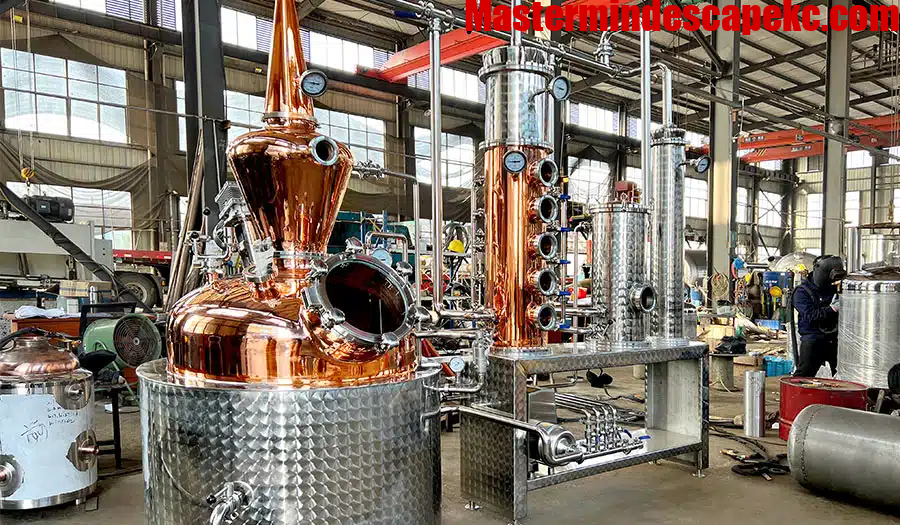
Distilling has a long and fascinating history, from traditional moonshine production in rural areas to today’s sophisticated craft distilleries producing premium spirits. Whether you are a hobbyist experimenting with small-batch moonshine or an entrepreneur planning to launch a professional distillery, one of the most important decisions you will make is choosing the right distilling equipment.
The type of still you use, the materials it’s made from, and how it integrates into your production process all directly impact the quality, efficiency, and scalability of your spirits. In this comprehensive guide, we will explore everything you need to know about distilling equipment—from the basics of how stills work to how to choose the right system for your goals.
Understanding How Distilling Equipment Works
At its core, distillation is the process of separating alcohol from a fermented liquid by heating it until alcohol vaporizes and then condensing that vapor back into liquid form. While the concept is simple, the equipment used to achieve this process can vary significantly depending on the scale and type of production.
A typical distilling system includes:
- A boiler or pot where the mash is heated
- A column or head where vapor rises
- A condenser where vapor cools and returns to liquid
- Collection vessels for the distilled spirit
The design of each component affects the flavor, purity, and alcohol content of the final product. For example, the shape and material of the still influence how compounds separate during distillation, which is why equipment choice is so important.
Types of Stills: Pot Stills vs. Column Stills
When choosing distilling equipment, one of the first decisions is selecting the type of still.
Pot Stills
Pot stills are the traditional choice for moonshine and many craft spirits. They are simple in design and typically used for batch distillation.
Advantages include:
- Richer flavor profiles
- Greater control over cuts (heads, hearts, tails)
- Ideal for whiskey, rum, and brandy
However, pot stills usually require multiple distillation runs to achieve higher alcohol purity.
Column Stills
Column stills, also known as reflux stills, are more complex and allow for continuous distillation.
Advantages include:
- Higher alcohol purity
- Greater efficiency
- Suitable for vodka and neutral spirits
Column stills are often used in commercial distilleries where consistency and volume are priorities.
Choosing Equipment for Moonshine Production
For hobbyists or small-scale producers, moonshine equipment is typically simpler and more affordable.
Small pot stills are popular because they are easy to use and provide a traditional flavor profile. Many beginners start with a 5–10 gallon still, which is manageable and cost-effective.
Key considerations include:
- Ease of cleaning
- Temperature control
- Material quality (copper or stainless steel)
- Safety features
Copper is often preferred for moonshine because it helps remove sulfur compounds, resulting in smoother spirits. However, stainless steel options are more durable and easier to maintain.
Scaling Up: Equipment for Craft and Commercial Distilleries
As production scales up, equipment requirements become more complex. Commercial distilleries must focus on efficiency, consistency, and compliance with regulations.
Larger stills—ranging from 100 liters to several thousand liters—are designed for higher output. These systems often include advanced features such as automated controls, integrated heating systems, and precise temperature monitoring.
In addition to stills, commercial distilleries require:
- Fermentation tanks
- Storage tanks
- Filtration systems
- Bottling lines
At this level, choosing a reliable equipment provider is essential. Many distilleries explore integrated systems similar to those found in industrial brewing and distilling solutions, which offer scalable designs and professional-grade construction.
Key Materials: Copper vs. Stainless Steel
Material selection plays a major role in distilling performance.
Copper
Copper has been used in distilling for centuries due to its ability to react with sulfur compounds and improve spirit quality. It is often used in pot stills and key components such as lyne arms and condensers.
Stainless Steel
Stainless steel is durable, easy to clean, and resistant to corrosion. It is widely used in modern distilleries, especially for larger systems.
Many modern stills combine both materials, using stainless steel for structure and copper for critical contact points.
Heating Methods: Direct Fire, Steam, and Electric
How you heat your still affects both efficiency and flavor.
- Direct fire is traditional and often used in small-scale operations, but it requires careful monitoring.
- Steam heating provides even heat distribution and is common in commercial setups.
- Electric heating is convenient and precise, making it popular for smaller systems.
Choosing the right heating method depends on your scale, budget, and available infrastructure.
Condensers and Cooling Systems
The condenser is where vapor turns back into liquid, making it a critical part of the distillation process.
Common types include:
- Worm tub condensers
- Shell-and-tube condensers
- Plate heat exchangers
Efficient cooling ensures consistent output and prevents loss of alcohol vapor. Commercial systems often include advanced cooling solutions for better temperature control.
Safety Considerations in Distilling
Distilling involves heat, pressure, and flammable vapors, so safety must always be a top priority.
Important safety measures include:
- Proper ventilation
- Pressure relief valves
- Temperature monitoring
- High-quality seals and fittings
For commercial distilleries, compliance with local regulations is essential. Always ensure your equipment meets safety standards and legal requirements.
Cost Considerations and Budget Planning
The cost of distilling equipment varies widely depending on size and complexity.
- Small hobby stills: $200–$2,000
- Mid-scale systems: $5,000–$50,000
- Commercial systems: $50,000+
While it may be tempting to choose the cheapest option, investing in quality equipment often leads to better results and fewer issues over time.
Integrating Distillation with Brewing Systems
Many distilleries begin with fermentation, which is similar to brewing beer. In fact, some operations combine brewing and distilling to produce a variety of products.
Understanding how fermentation and distillation systems work together can improve efficiency and open new opportunities. Exploring setups like craft brewing and distillation equipment systems can help producers design integrated facilities that support both processes.
Common Mistakes to Avoid
When choosing distilling equipment, avoid these common mistakes:
- Buying equipment that is too small for your goals
- Ignoring material quality
- Overlooking safety features
- Failing to plan for expansion
- Choosing equipment without proper support or documentation
Careful planning can save significant time and money.
Conclusion: Investing in the Right Equipment for Long-Term Success
Choosing the right distilling equipment is one of the most important decisions for any moonshine producer or distillery owner. The right still can enhance flavor, improve efficiency, and support future growth.
Whether you are starting small or planning a large-scale operation, focus on quality, scalability, and compatibility with your overall production system.
For those looking to expand beyond distilling or integrate brewing capabilities, Micet’s beer brewing equipment products offer a reliable and high-quality solution. With strong engineering, customizable designs, and proven performance, Micet provides equipment that supports both beginners and professional producers on their journey to success.
FAQs
1. What is the best type of still for beginners?
Pot stills are generally the best choice for beginners because they are simple to use and produce flavorful spirits. They are ideal for small-scale and experimental distilling.
2. How much does it cost to start a distillery?
Costs vary widely, but small setups can start around $10,000, while full commercial distilleries may require $100,000 or more, depending on equipment and scale.
3. Is copper better than stainless steel for distilling?
Copper is preferred for its ability to improve flavor by removing sulfur compounds, but stainless steel is more durable and easier to maintain. Many systems use a combination of both materials.